
Switch to: German
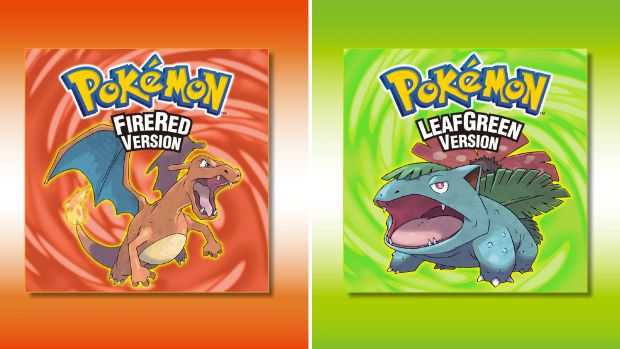
These GameBoy Advance classics made their way onto Nintendo Switch: Pokémon FireRed and LeafGreen are a nostalgic return to Kanto.
To celebrate the 30th anniversary of the series, on the same day when Pokémon Red and Green originally released in Japan last Friday, players can now re-discover the original journey in the first remakes ever done for the series on Nintendo Switch.
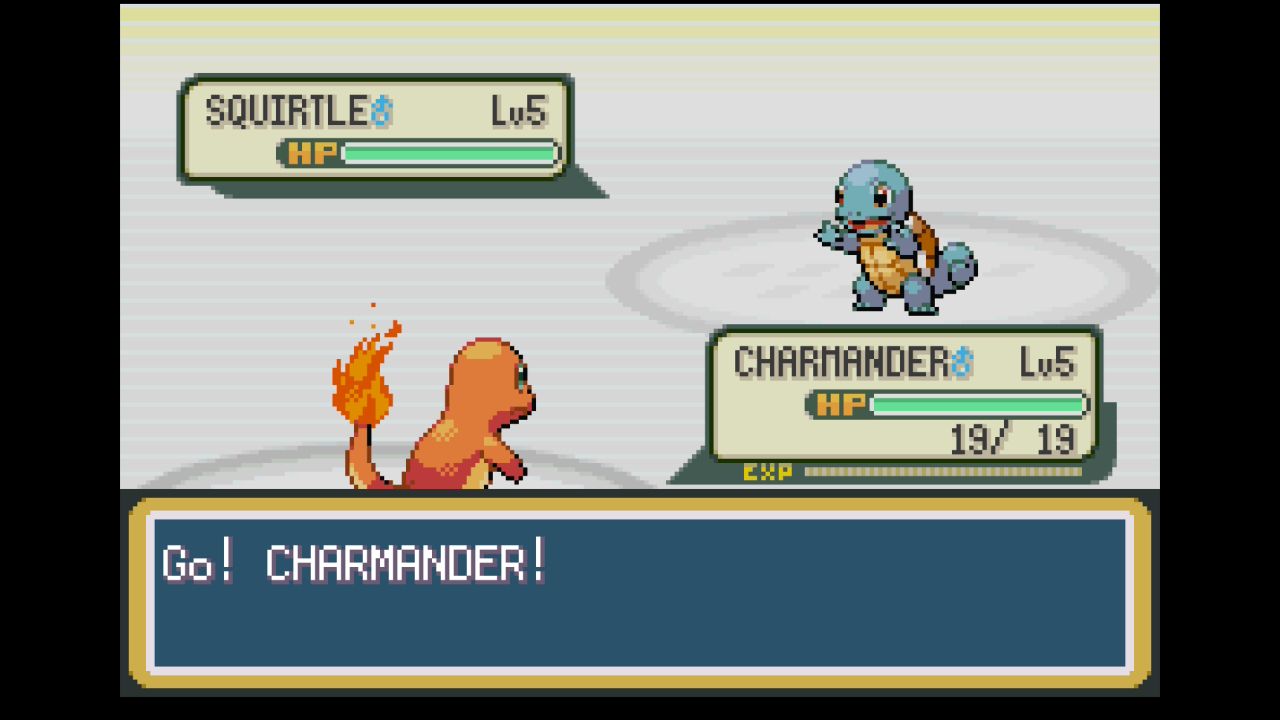
Pokémon FireRed and LeafGreen were indeed the first time Game Freak would go back to their past routes, making sure trainers could go back to “catch ‘em all” on GameBoy Advance, as it was impossible to trade your old partners from the original games.
The decision to bring them back on Nintendo Switch has been met with a bit of skepticism from fans. After all, Pokémon Let’s Go Pikachu & Eevee are already remakes of the first generation readily available on the system.
Even with a controversial catching mechanic reminiscent of Pokémon GO, it’s still a pretty convincing and aesthetically pleasing adventure that gives you the original Kanto journey and a few additional regional variants of certain Pokémon, providing at the same time a unique spin on the formula.
Not only that, but via the Expansion Pack of Nintendo Switch Online you can already access a good bunch of the GameBoy Advance catalogue, making the decision to re-release these games separately even more questionable.
With that in mind, to whom is Pokémon FireRed and LeafGreen exactly aimed for? Well, the most obvious ones would be for nostalgic fans who want to experience the games on Switch — and Switch 2 due to full backwards compatibility, of course — or newer players who never got to own a GameBoy Advance in the first place. Or maybe simply curious gamers who want to check if the games are still holding up to this day.
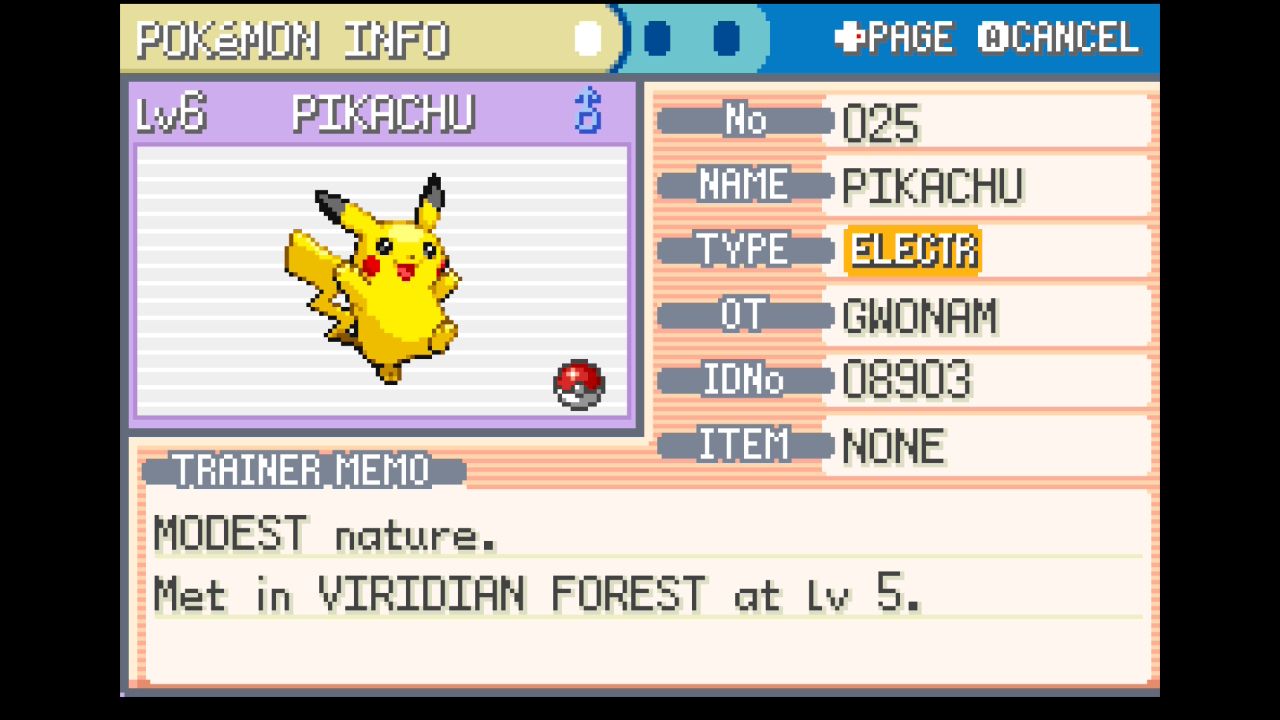
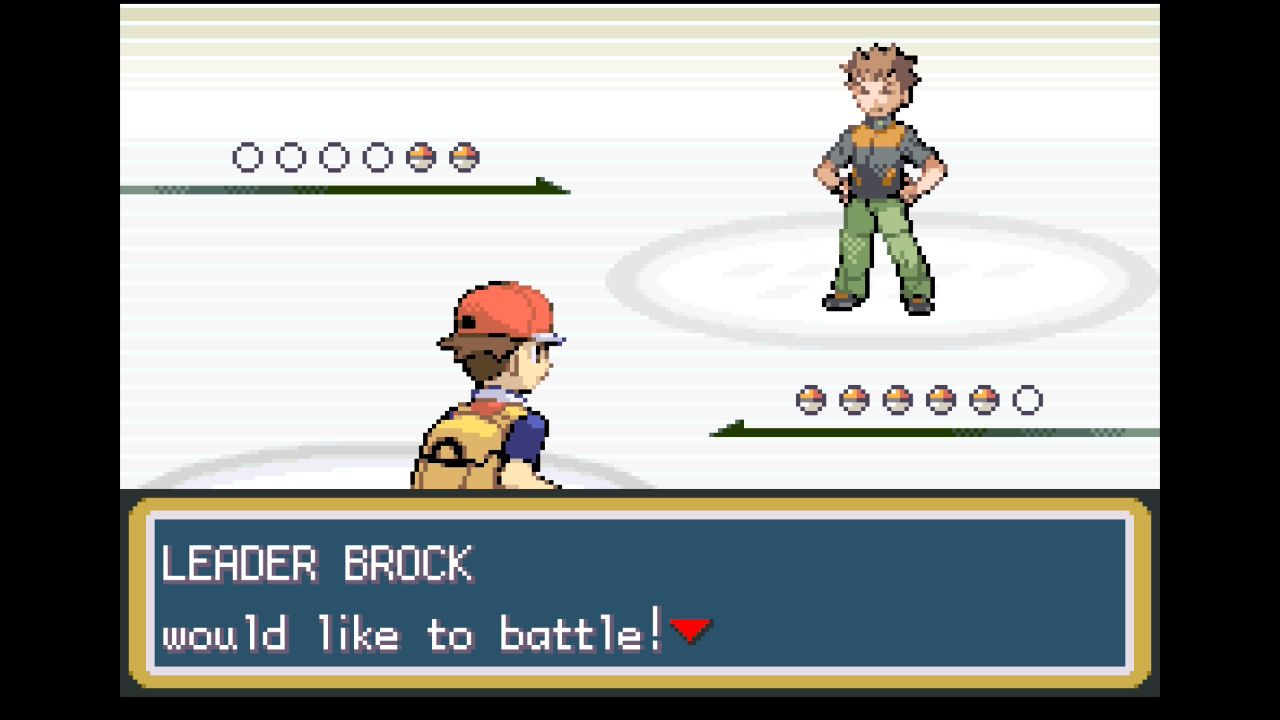
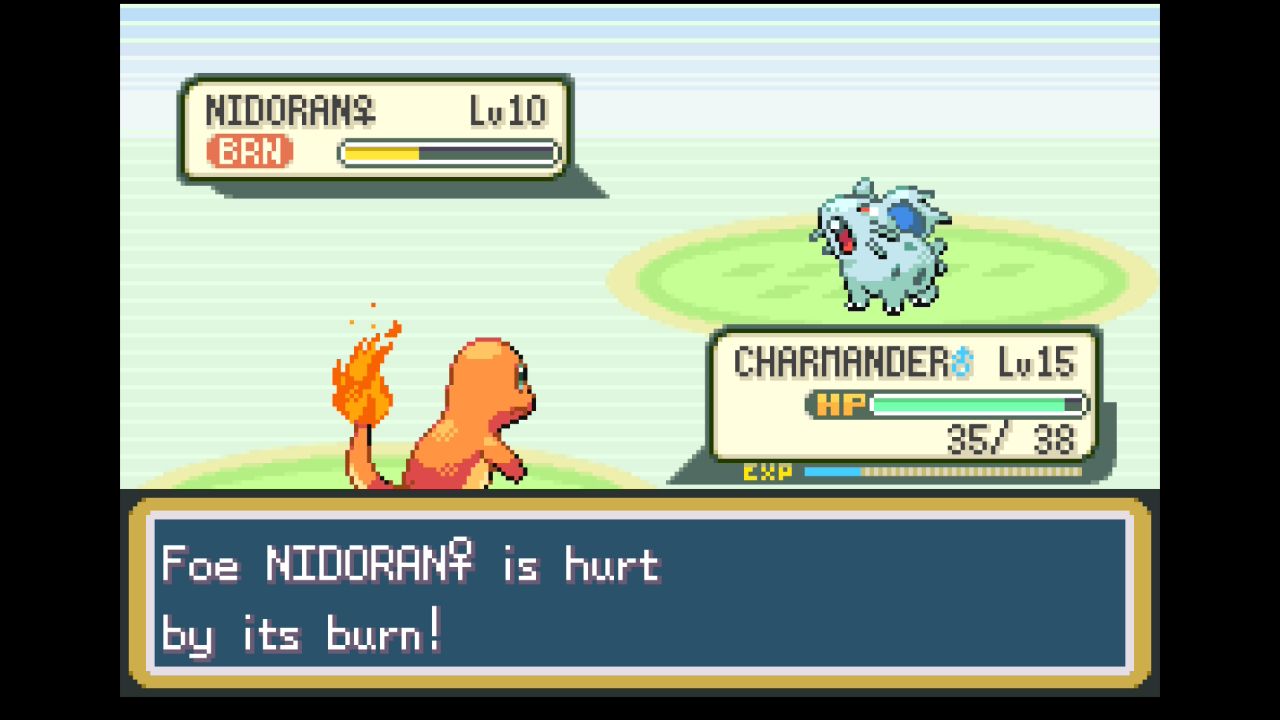
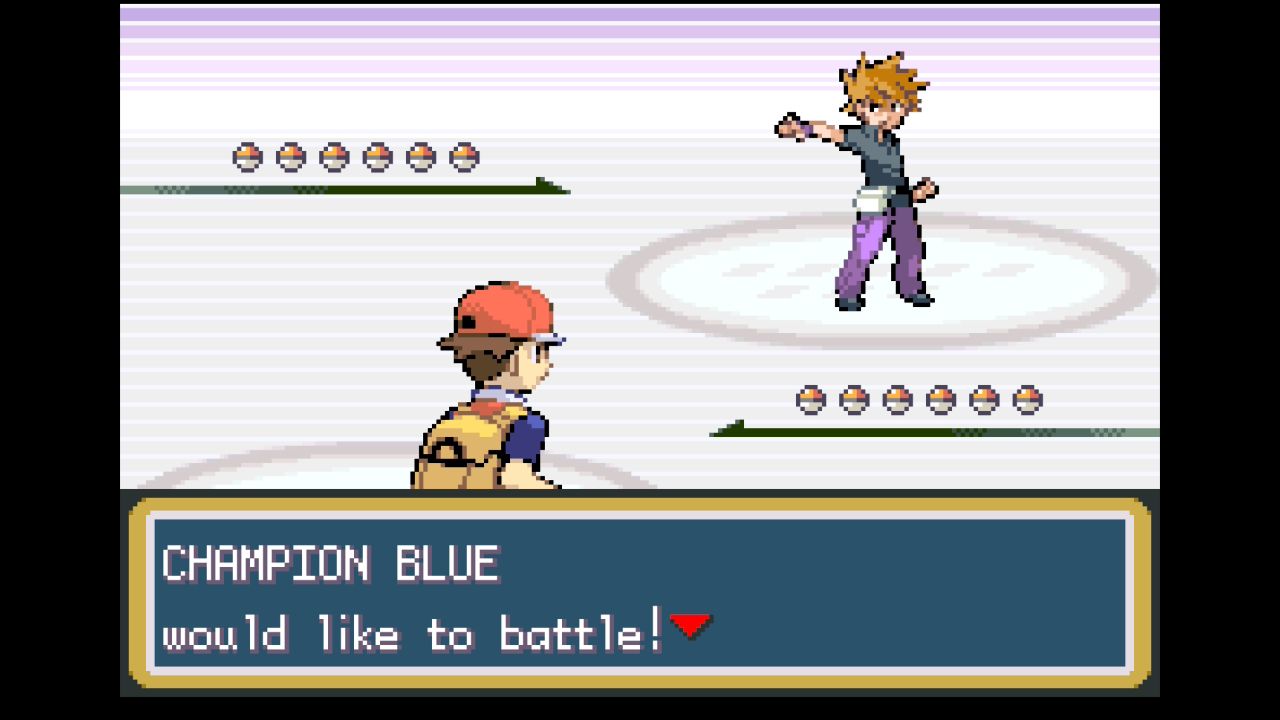
Reviewing these games is not an easy feat because of one simple fact: these are literally the exact same games as they were originally released, without any graphical filters or quality-of-life changes.
You cannot even play online with friends, which can obviously make the evolution of certain Pokémon via trading quite difficult. And don’t bother trying to link 2 consoles you own with the same copy of the game – trust me, I tried.
This may eventually be improved once it gets the Pokémon Home compatibility. However it is still unavailable at the time of writing, so it’s just speculation on my part.
The only notable new feature happens after you’ve successfully defeated the Elite Four and have become the new Champion. You’ll immediately find the tickets necessary to go catch Ho-Oh, Lugia and Deoxys added to your bag, without any further action needed.
These were event items that were originally obtainable only via distribution events: this is a much appreciated improvement that reminds me of the Pokémon Crystal version released on 3DS, which also added the GS Ball to catch Celebi, previously unobtainable in international releases of the game.
Not only that, but these new releases seem to have also fixed the infamous “Roaming Roar” glitch: if Entei/Raikou/Suicune ended up using Roar on your Pokémon to escape, they’d be gone forever on the original versions.
This has apparently finally been resolved, for the joy of everyone not wanting to waste their Master Ball just to deal with it.
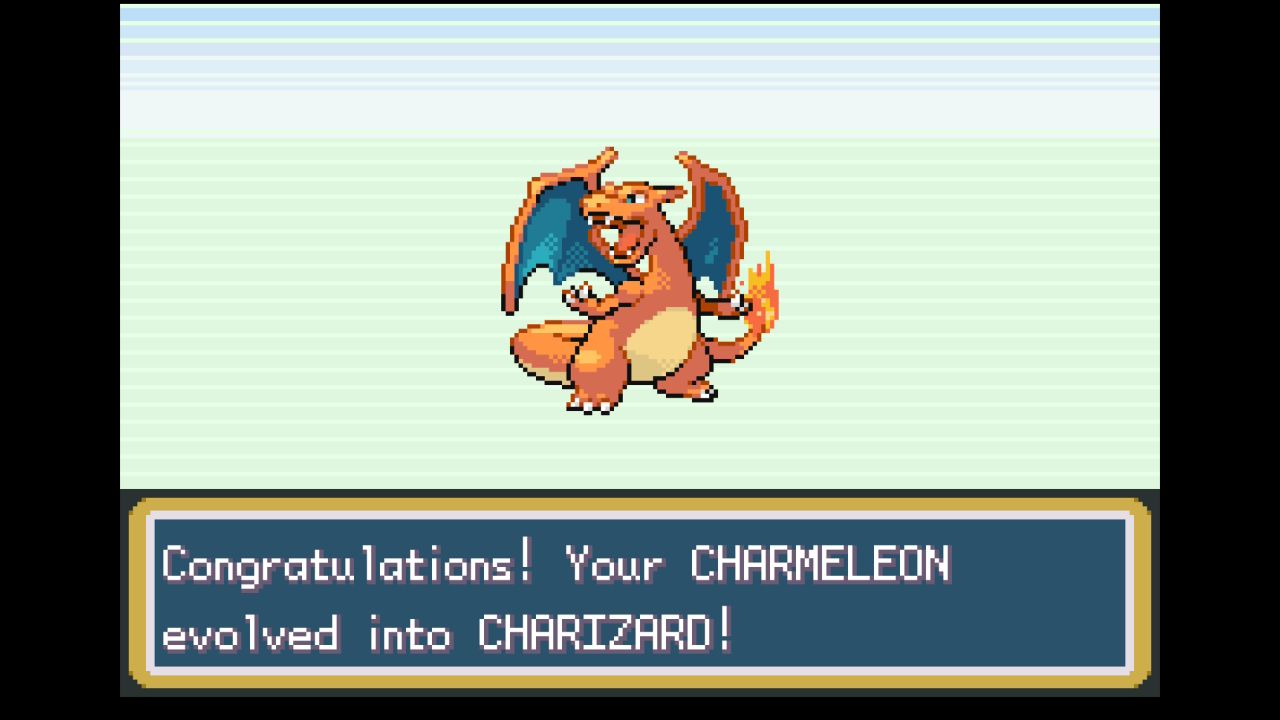
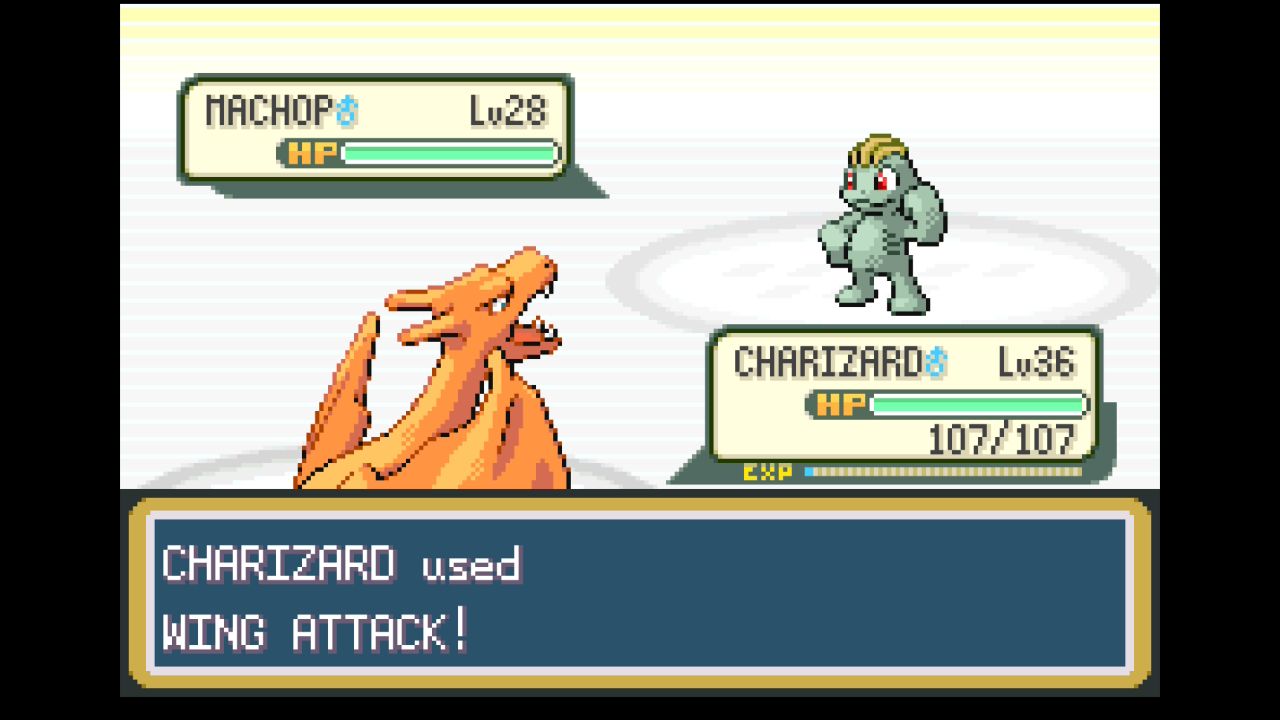
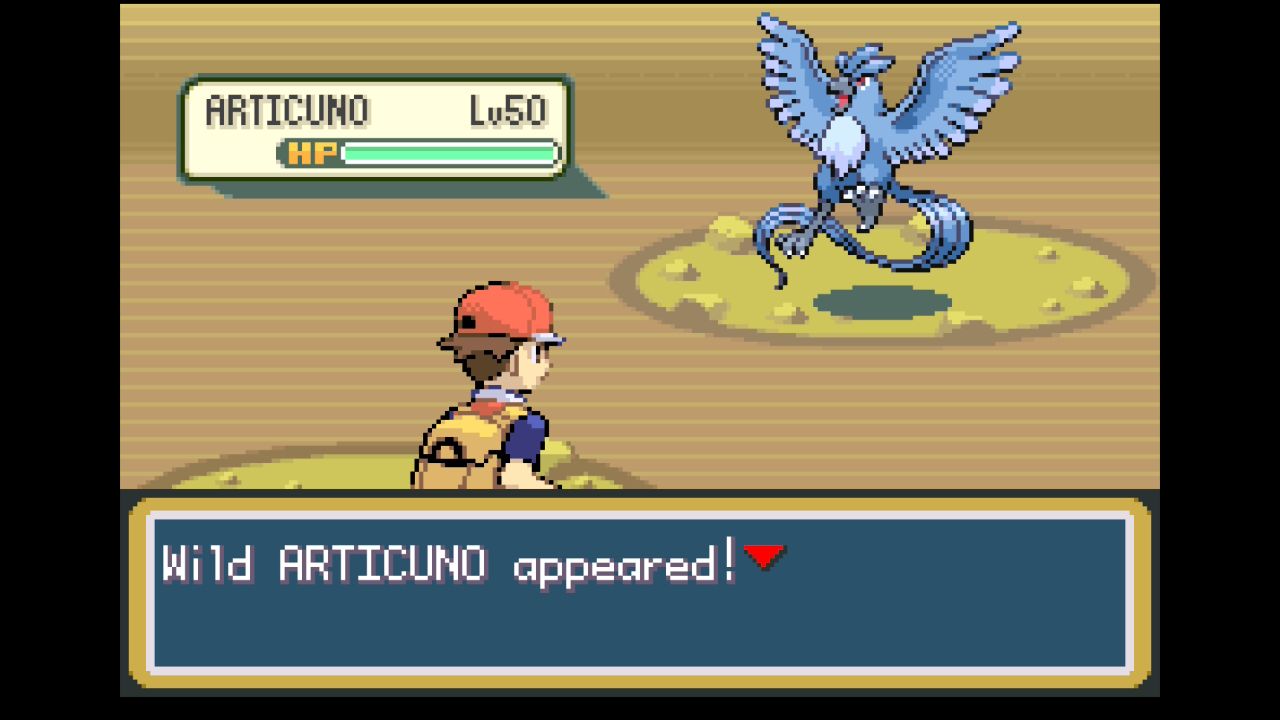
Oh, and keep in mind they added a profanity filter, so you can forget about naming your rival “Ass”, for those of you who’ve refused to mature since the original games were released, though there are ways to get around that.
Besides these new fixes, there isn’t anything truly noteworthy to say: Pokémon FireRed and LeafGreen remain very solid and fun games to this day, even if they were not without flaws that newer players can quite easily notice.
For example, the Technical Machines (TMs) are extremely limited in number, you don’t unlock the ability to run until you beat Brock and you don’t even gain access to friendship evolutions like Crobat until you beat the Elite Four.
An actual improvement, even compared to Pokémon Let’s Go, is that FireRed and LeafGreen actually has a post-game: it’s not exactly anything groundbreaking, but getting to visit the Sevii Islands will still keep entertained people who want more content and will even let you find out what happened to Team Rocket before the events of Gold/Silver/Crystal.
As for which version is better for you, there’s no real easy answer: the only real difference between the two games are certain exclusive wild Pokémon you can catch.
Every version has their “counterpart” exclusives: for example, Scyther can only be found in FireRed while Pinsir is only in LeafGreen. As for another example, Electabuzz is a FireRed-exclusive while Magmar is a LeafGreen one.
They’re subtle differences, but it may be worth it to check a list online to make sure you’re not missing out on the Pokémon you like most before making your purchase.
As for the legendaries, they’re exactly the same: Pokémon has decided to make exclusive ones starting with Ruby and Sapphire, so that’s not something you should be worried about. The only thing that changes is the Deoxys form you get to catch post-game, but the Pokémon itself can be found in both versions.
Obviously, there’s no issue with the starters either: for example, you can choose to start with Charmander in LeafGreen, despite what the cover art might make you believe.
Final thoughts
In conclusion, I can only say that Pokémon FireRed and LeafGreen are exactly what you’d expect from the original games – nothing more and nothing less.
It’s up to you to decide whether is it worth to explore the Kanto region again, keeping also in mind the convenience of playing it in handheld mode as if it was an oversized GameBoy Advance. Plus, at least it’s cheaper than the newer games.
For the purpose of this review: We played Pokémon FireRed Version in English. If you desire playing in a specific language, you’ll have to choose it carefully before you actually purchase the game, since you aren’t able to change it later.
Nintendo provided us with Pokémon FireRed Version on Nintendo Switch. We captured the screenshots on Nintendo Switch 2 in a mixture of handheld and docked play.
