
Switch to: German
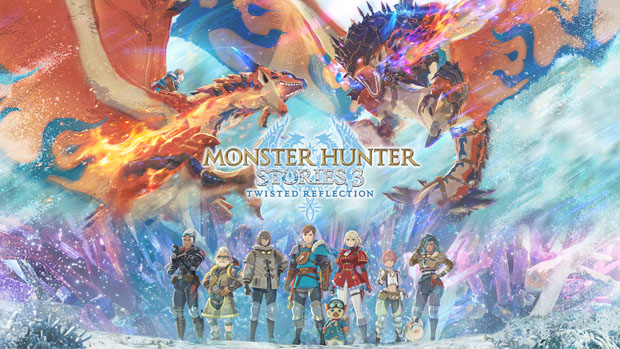
Monster Hunter Stories 3: Twisted Reflection is a welcome change from the franchise’s mainline entries and it’s already made it onto our GOTY shortlist.
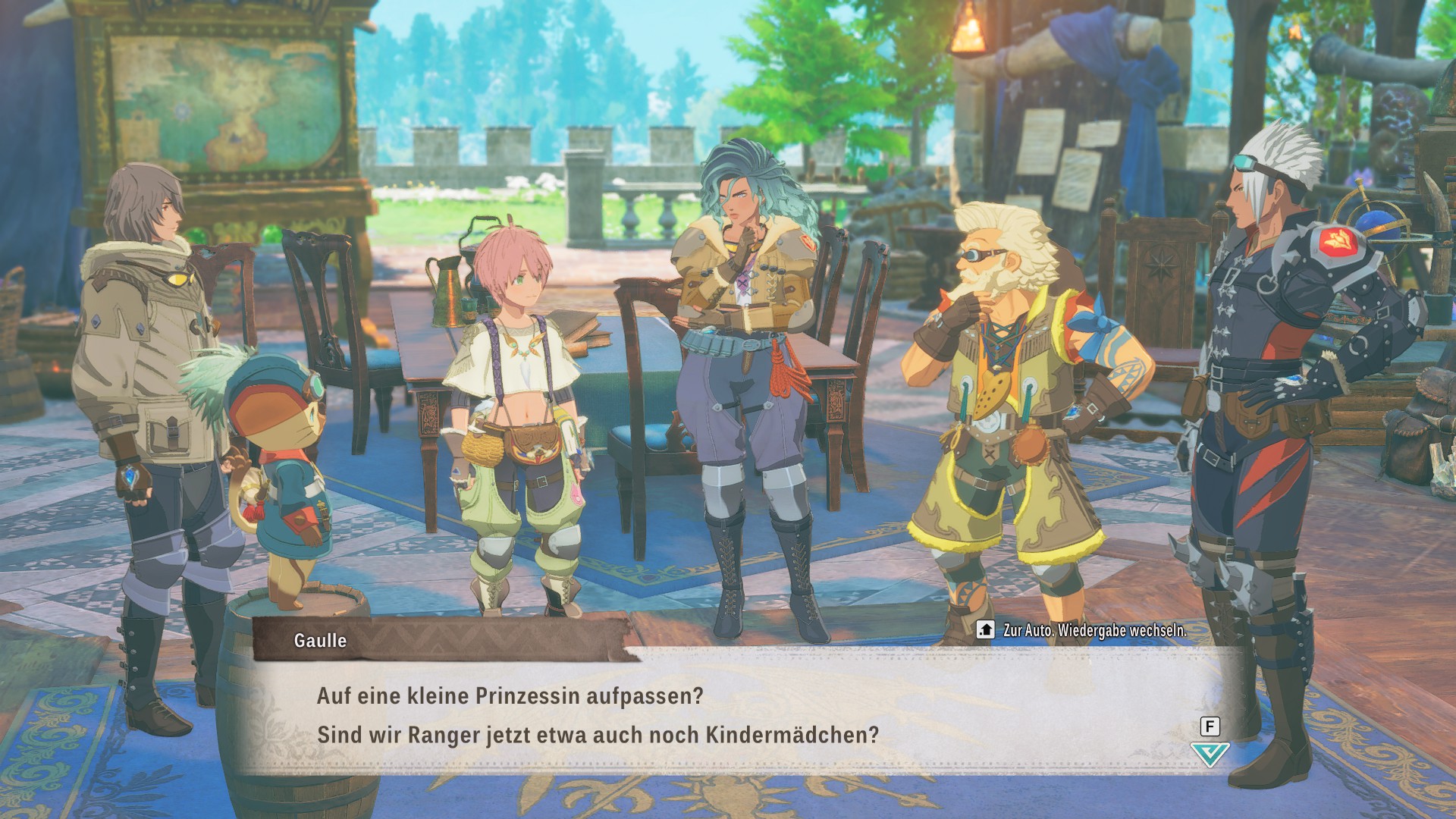
With Monster Hunter Stories 3, Capcom expands the long running series with another installment of its spin-off franchise. Unlike the mainline Monster Hunter games, battles aren’t real-time but turn-based, and its story is far more in-depth. At the beginning, we can freely customize our character, and we’re immediately thrown into the adventure. The initial quests serve as a tutorial, explaining the game’s intricate mechanics. We get a run-down of combat and learn how to collect eggs and the mechanics of the incubation system. The story speeds up quickly and we find ourselves in the midst ofo a conflict between two kingdoms. Furthermore, a crystallization process is cause for concern, disrupting this world’s ecosystem. Our task is to stop this crystallization and prevent the looming war. In classic JRPG fashion, a party of companions joins us on our quest. As we progress through the story, more characters are unlocked, allowing us to add them to our party. We start out with six companions at our disposal with each having a unique set of abilities, strengths, and weaknesses. Depending on your playstyle and goals in the game, switching between them can be rather advantageous.
While the focus in the main entries of the Monster Hunter series – most recently in Wilds – is on hunting down monsters and upgrading your equipment, the story is merely a backdrop for progressing from one area to the next. Things are different in MH Stories 3. The developers dedicated more time to the narrative, and the characters are more fleshed out. As the game progresses, you learn about the characters’ interconnected backstories, which manage to create a sense of drama. Each location in the game world tells its own story, and we learn quite a bit about its inhabitants. The game begins with a gentle introduction to the world, showing an expedition discovering and taking a crystallized egg. Later on, we learn that two Rathalos hatched from it—a bad omen, and therefore one has to go. We won’t get into it to avoid spoilers. The crystallization process continues, ultimately leading to a conflict between the kingdoms of Azuria and Vermeil. While negotiations begin, they don’t go as planned, and the situation escalates until the first armed confrontation. From this starting point, the heroes embark on their journey to experience their adventures. As the story progresses, we follow the development of the various characters and witness how their relationships evolve. The story manages to keep players engaged until the very end. There isn’t a traditional ending, however, because after the final battle and the emotional climax of the story, the game continues with a renewed sense of hope. The legacy now rests with the Riders, who are challenged to battle powerful foes, thus rounding off the narrative.
Combat is complex on several levels: Firstly, there are three attack types: power, technique, and speed, which work like rock-paper-scissors. Another important element of the combat system is the weapons themselves. The weapons have different attack types tailored to the vulnerabilities of the monsters’ various body parts. For example, great- and longsword, which can use the slash attack, can damage a monster’s tail, among other things. Bows and gunlances with the piercing skill can be effective against wings, and a blunt attack to the head with a hunting horn or hammer can knock monsters unconscious. Here, the different targets on the Monsties are important. And as a third layer, there are the Monsties themselves, which possess abilities such as fireballs, tail swipes, bites, and many other attacks, which can be linked to the monsters via a DNA system. Just like in other JRPGs, we’re able to make use of items during combat. They can make the difference between being victorious and suffering a horrible defeat. The game managed to make us spent hours upon hours to find the best build for every situation.
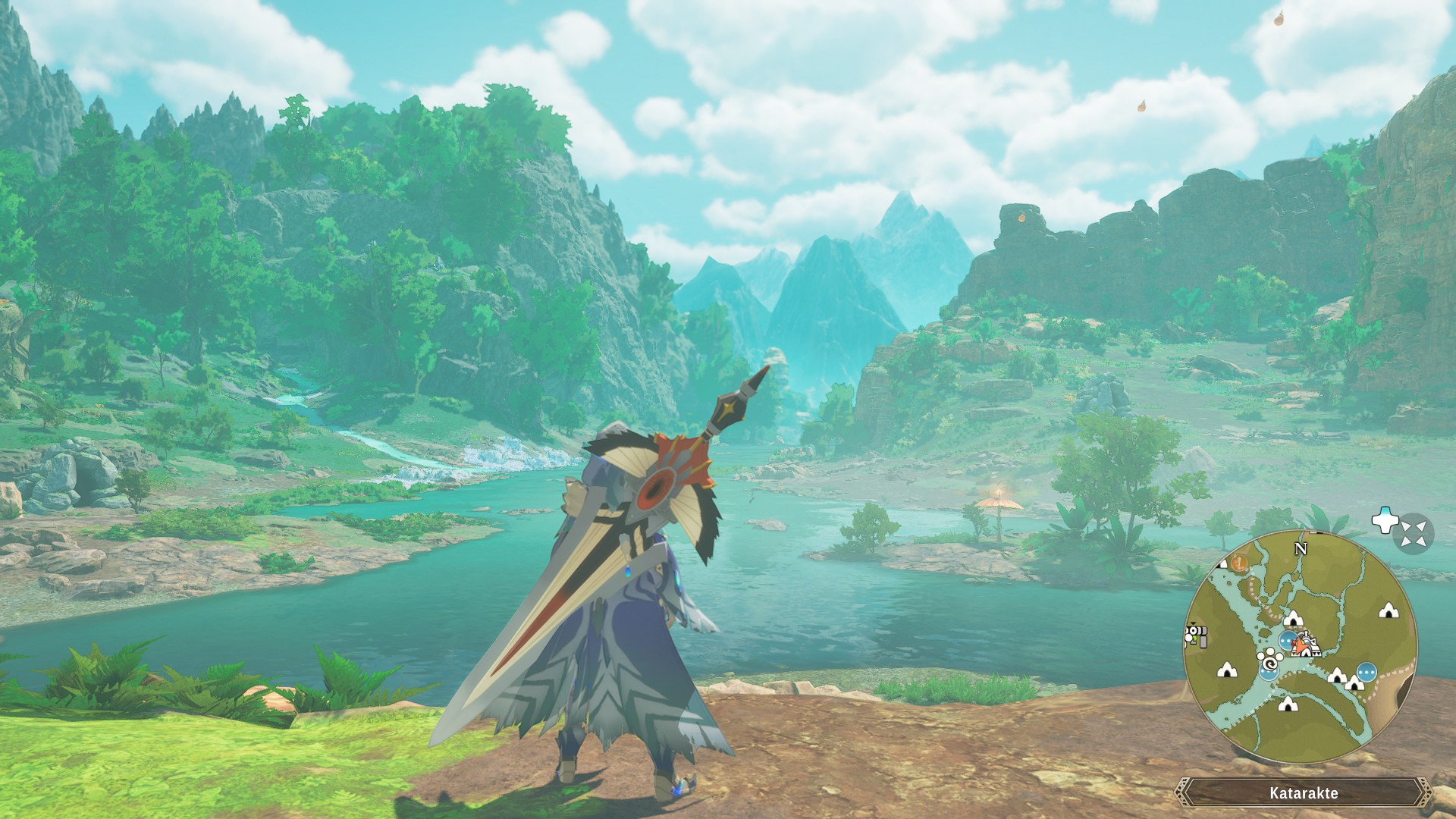
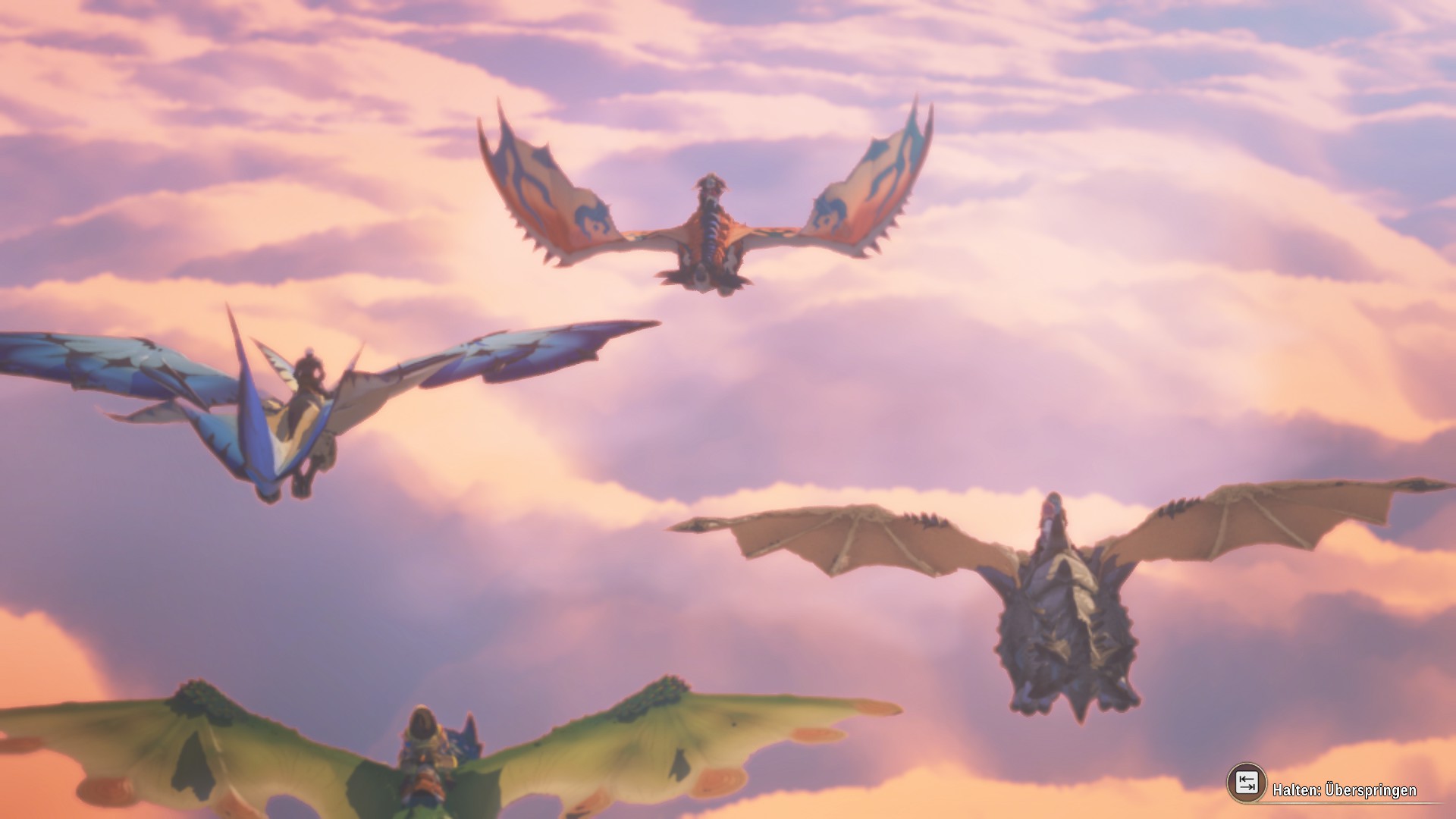
There’s a lot going on in Monster Hunter Stories 3. With your Monstie companions, you’re able to ride, swim, climb and dig through holes, collecting all sorts of things that you can then use to get healing potions and many other items. The areas you’re able to explore range from small to large, but it’s not a classic open world; instead, you’ll encounter individual interconnected areas typical of the Monster Hunter series. These are quite beautifully designed and reminiscent of games like Palia or Zelda. Everything seems to be thoughtfully crafted, and the game makes use of an impressive lighting system, especially in the day/night cycles. Battles are also very well animated, and, fortunately, they can be set to double speed, and animations can be skipped if you’ve already seen them a couple of times. This significantly reduces the time spent in combat, especially later in the game. The sound design deserves special praise. MH Stories 3 is a real treat for the ears – whether it’s the music used in cutscenes or the melodies that play during battles or in the overworld. The voice acting which is available in Japanse and English is also well done. Unfortunately, there’s no German voice acting, but at least there are German subtitles.
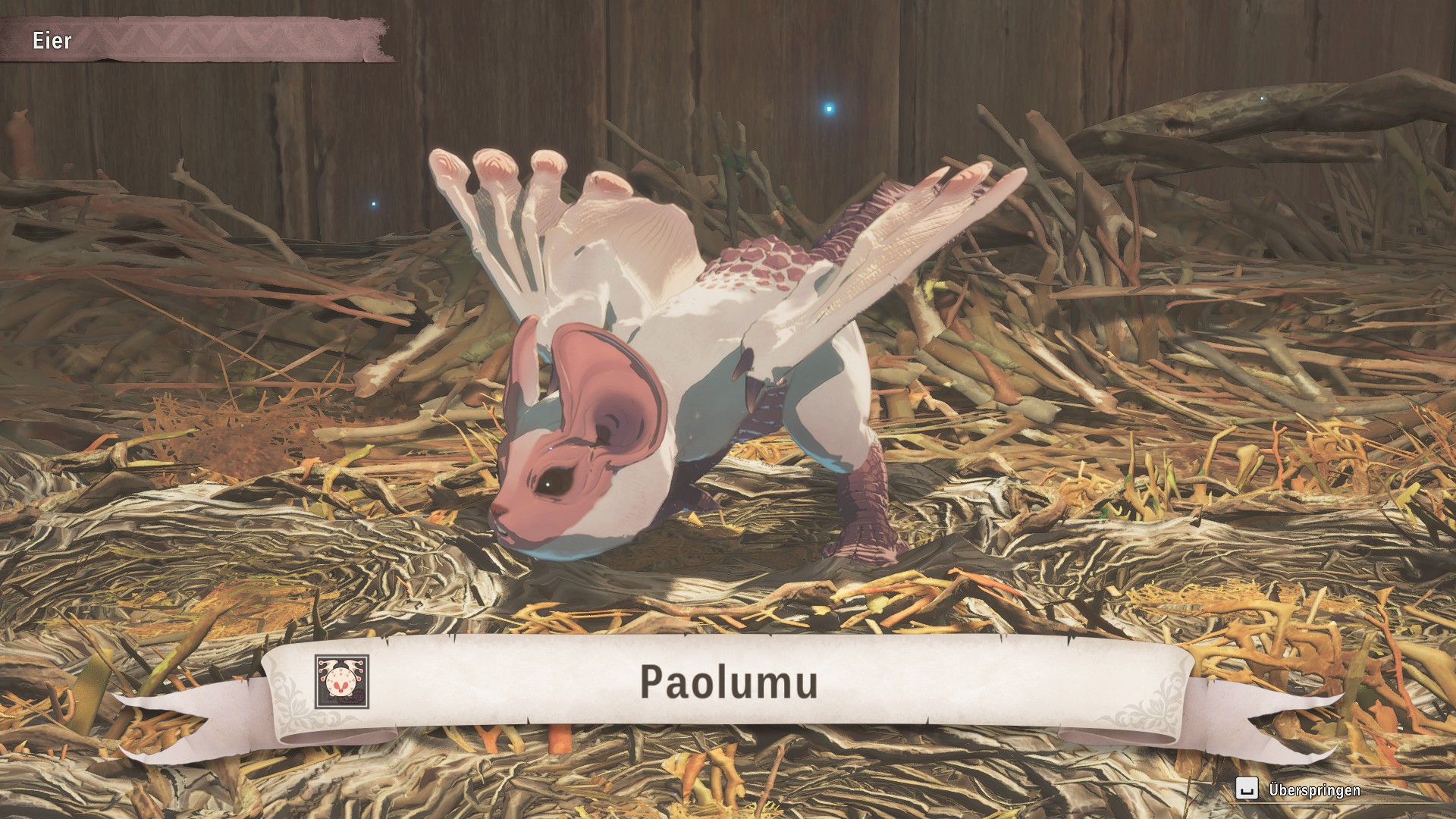
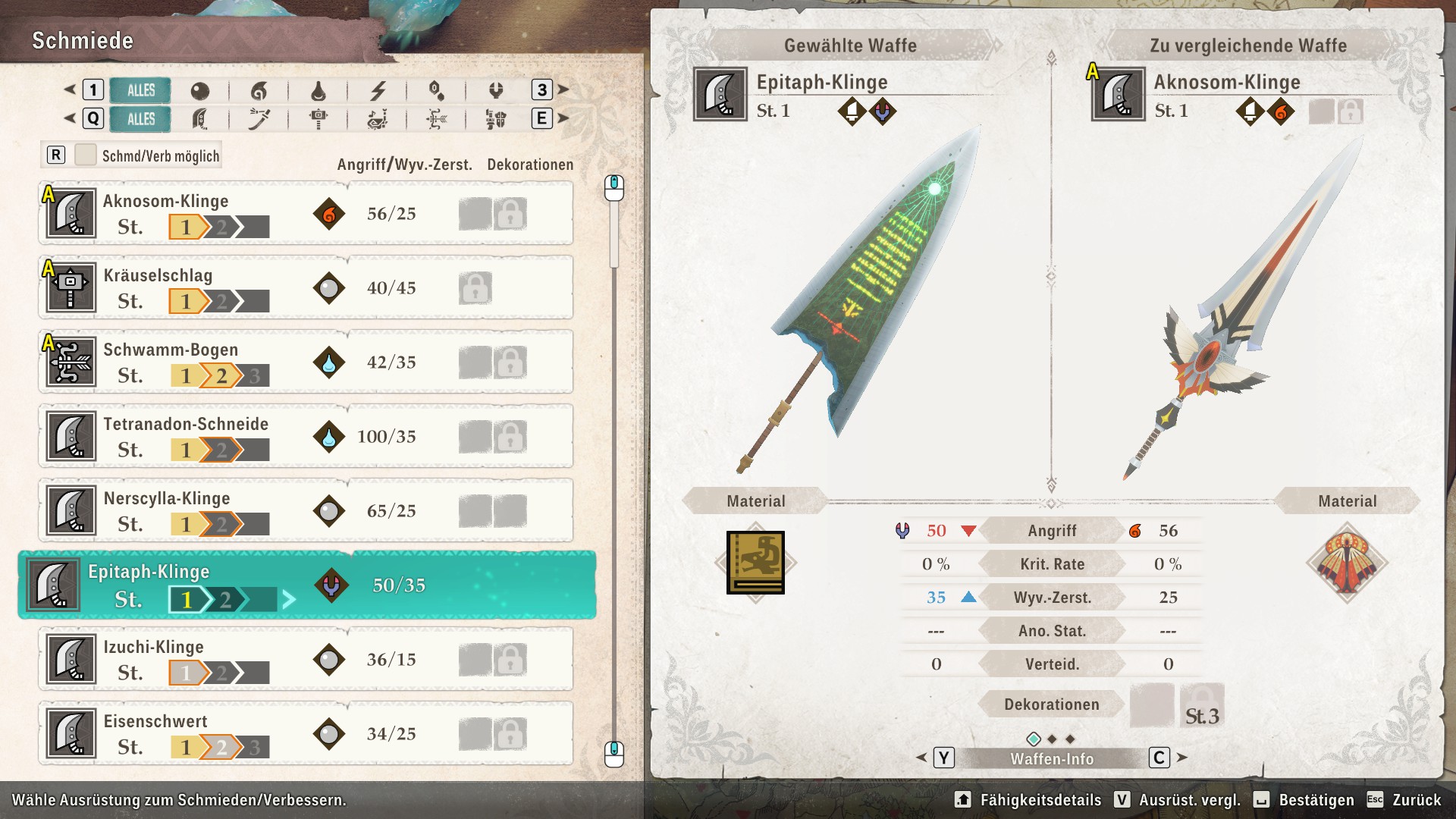
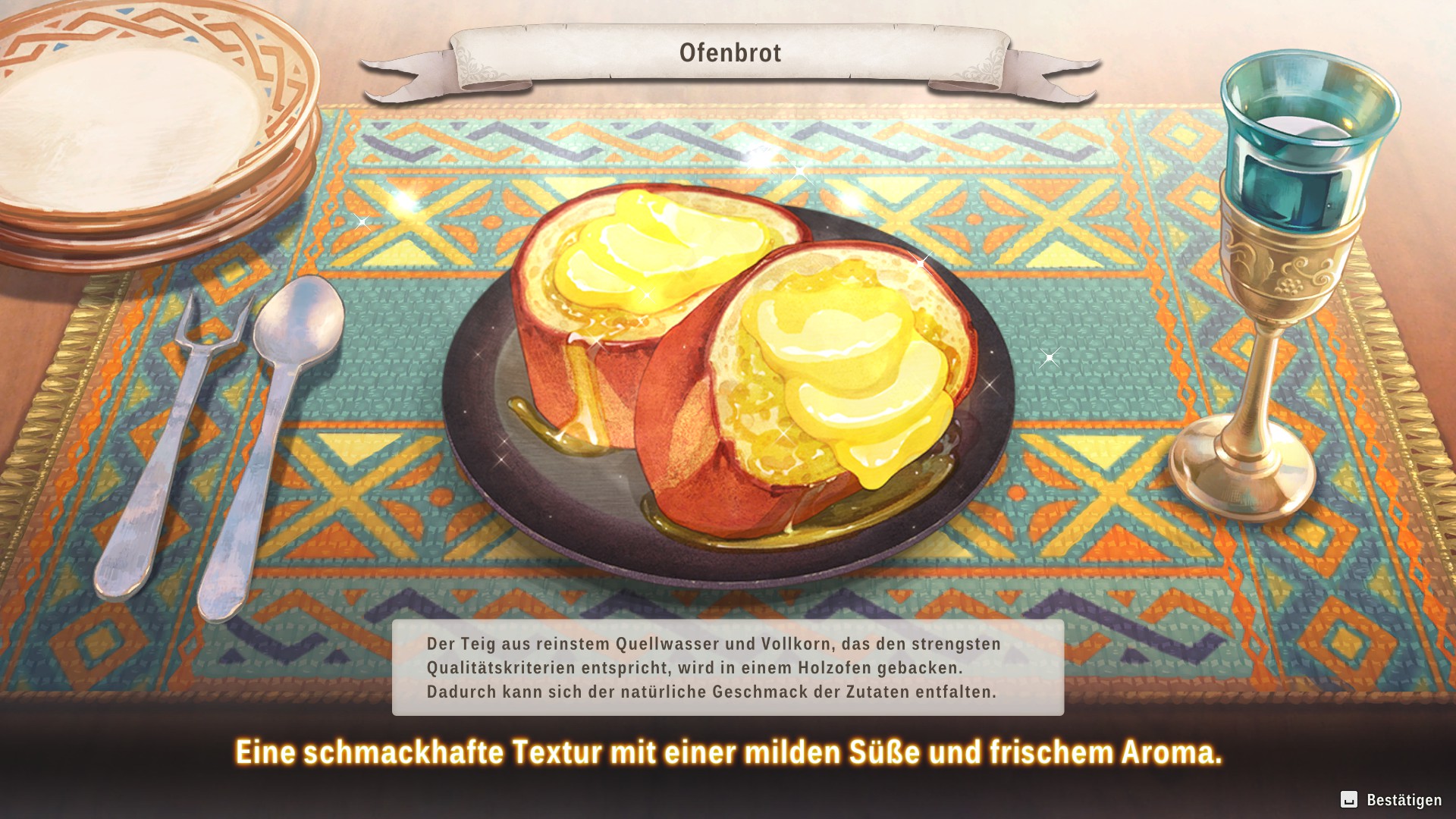
After fighting and gathering resources, you can forge and upgrade weapons and armor at blacksmiths, as well as craft all sorts of items helpful in combat. However, there’s one crucial difference between playing a mainline Monster Hunter game or Monster Hunter Stories 3: Twisted Reflection: it’s the eggs. In Stories, we build an ecosystem by collecting eggs and hatching Monsties. Afterward, we can decide whether or not to inherit the abilities of our Monsties and if we want to release them. The more often we do this, the higher our score in the ecosystem. Collecting new eggs allows us to hatch even better Monsties. To top it all off, we can use the day/night cycle to obtain unique and more powerful Monsties at night.
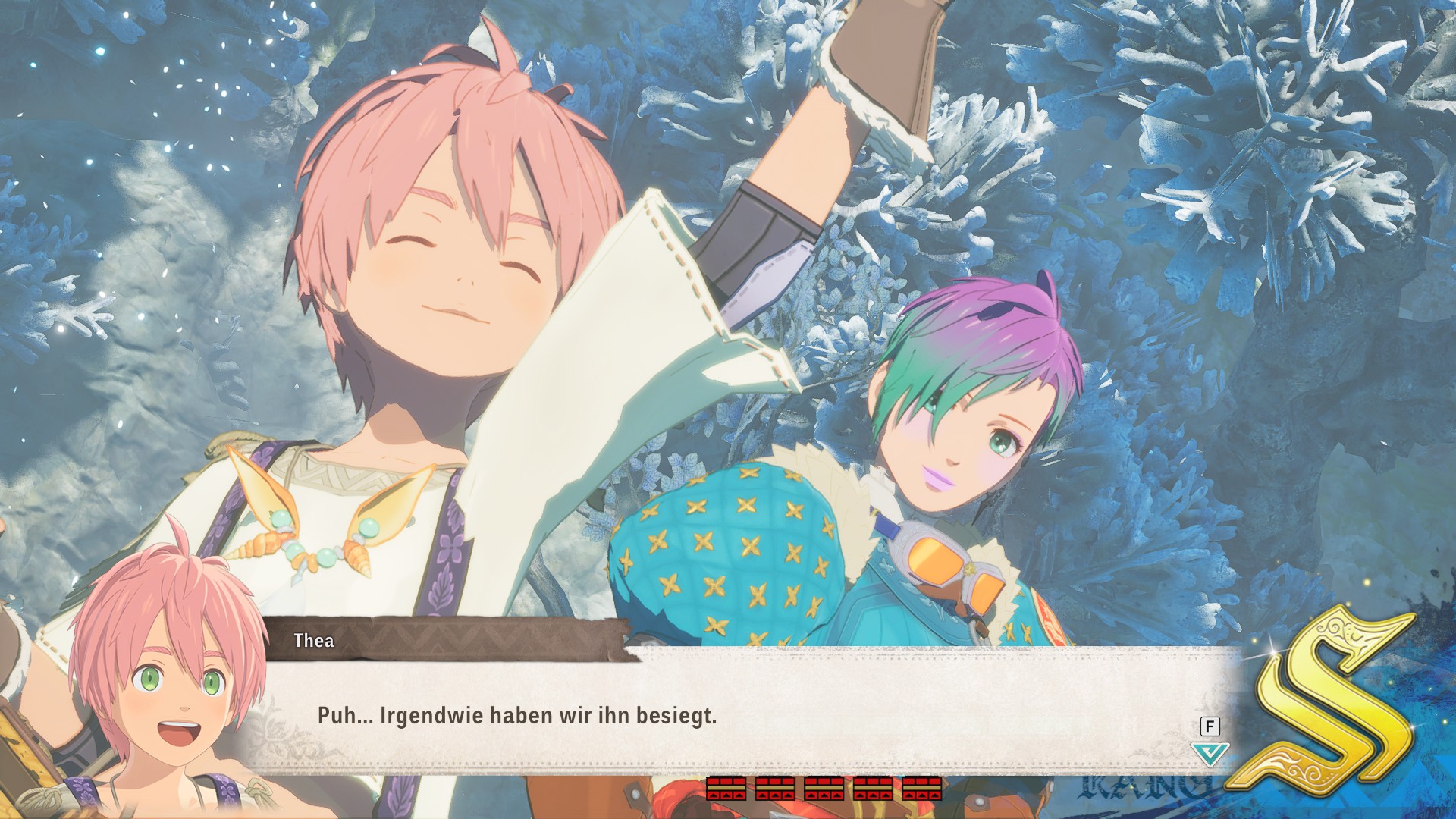
Monster Hunter Stories 3: Twisted Reflection isn’t a traditional JRPG, but rather a successful blend of various, well-crafted elements. Players can easily lose themselves in it and sink countless hours into it. We’ve spent a good 70 hours with the game and are still breeding and experimenting to see how different genetic Monstie combinations fare.
From a technical point of view, the game ran smoothly most of the time, but during sessions exceeding 5 hours, we’ve witnessed occasional frame rate drops and crashes.
Final Thoughts
Overall, we thoroughly enjoyed Monster Hunter Stories 3: Twisted Reflection. The game has aspirations to become Game of the Year for a large audience. With its extensive story, numerous side quests, and a selection of over 100 Monsties, there’s plenty to keep you busy. We can definitely recommend this entry, but that’s it for now—we need to get more Monsties!
Monster Hunter Stories 3: Twisted Reflection was released on March 13th on Steam, PlayStation 5, Xbox Series X|S, and Nintendo Switch 2 for €69.99/£54.99/$69.99 in the Standard Edition, €89.99/£74.99/$89.99 in the Deluxe Edition, and €99.99/£84.99/$99.99 in the Premium Deluxe Edition.
We captured the screenshots with a PC copy provided by Capcom.
